
Maintenance Tips
Wood
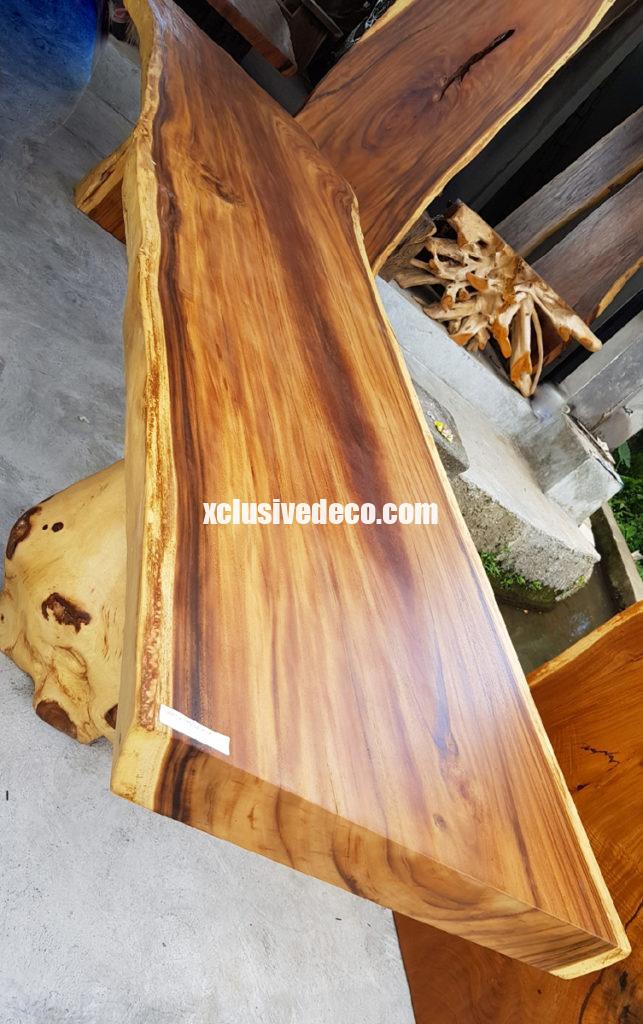
Our wooden products, whatever the species, do not require a great deal of maintenance due to the quality of the choice made beforehand. However, a minimum of rules will need to be followed in order to preserve their general appearance over the long term:
– Teak wood itself, for exemple, produces oleoresin, which makes it waterproof. The only treatment you can give it is to apply a coat of teak oil once a year with a soft, dry cloth, leave for a couple of hours for the oil to penetrate properly and then wipe off the excess.
Never use solvents or other aggressive chem’ products. In the event of a stain, wipe immediately before the liquid penetrates.
– Over time, wood can take on different shades; this is part of the character of a piece of furniture or a wooden unique item. However, if you prefer its original shade and colour, simply apply a coat of teak oil to restore its brightness and shine. Apply a second coat if desired.
Stone
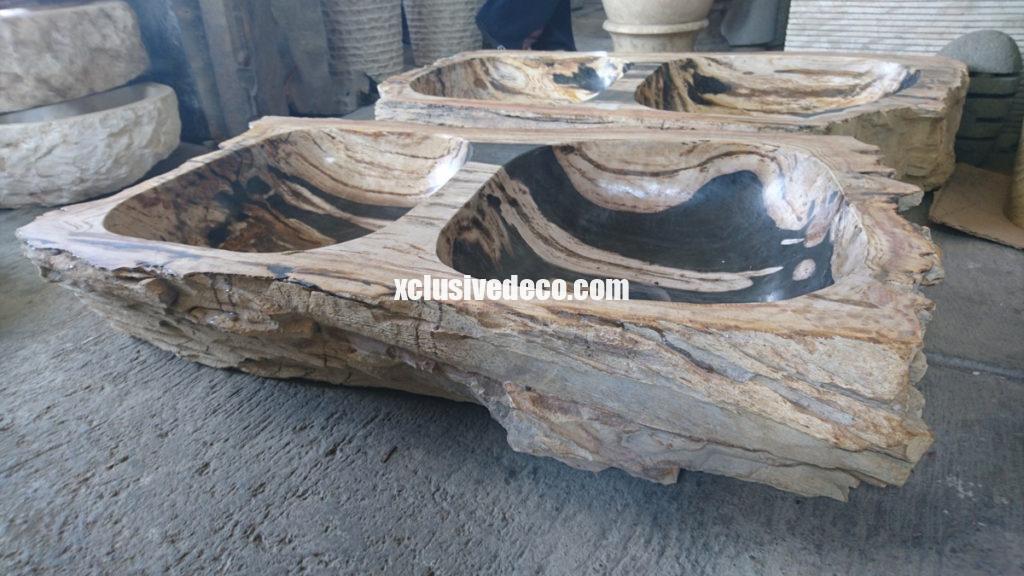
For our unique items made from natural stone, marble and onyx, their hardness will remain intact over time. However, a little maintenance is required once or twice a year to maintain their shine, as they will be in contact with water and therefore limescale:
– Use a mild soap, rinse and dry (preferably a Marseille black soap, for example). Do not use acidic household products. This operation should be repeated at your discretion, if you notice any signs of limescale or if the stone becomes dull.
– To extend the life of polished natural stone items that come into contact with water, such as washbasins, apply a coat of waterproofing (liquid or spray), available from specialist retailers, once a year.
– For Terrazzo (a mixture of cement, sand and marble chips) and marble, if contact with acids causes a hard stain, scour and apply a thin coat of wax.
Bamboo
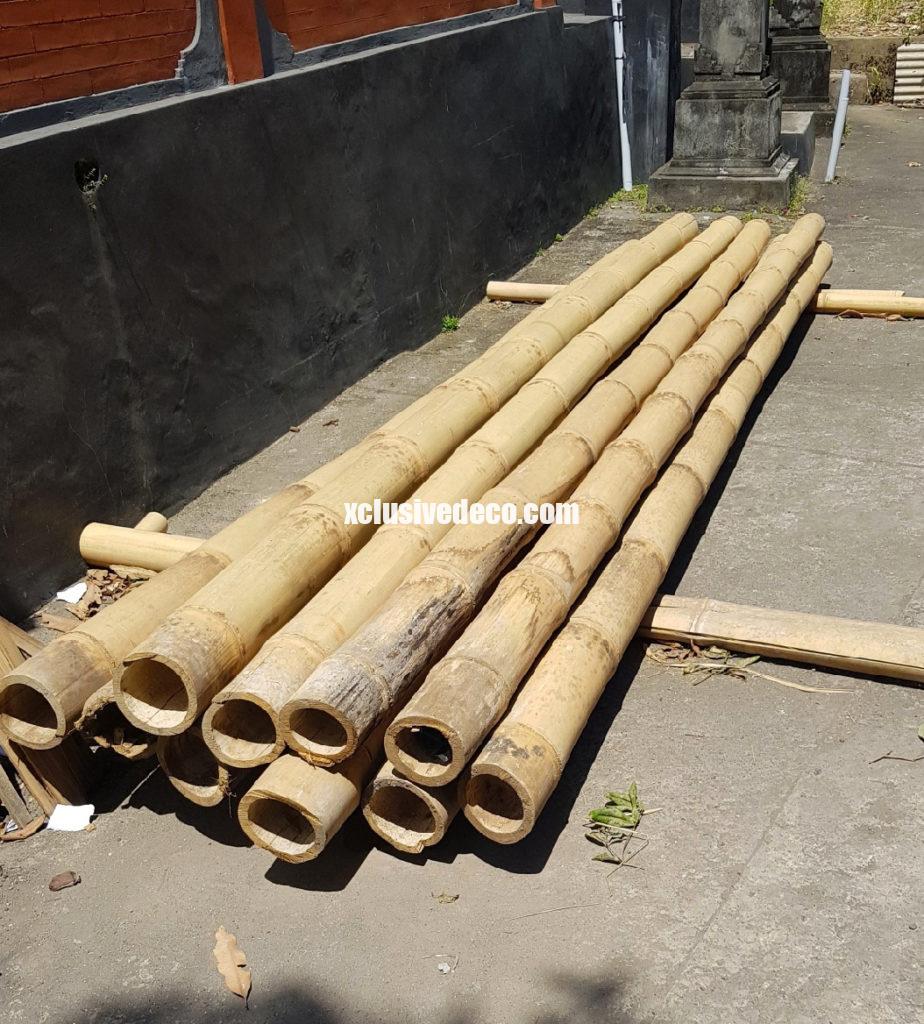
In order to maintain our garden furniture, indoor furniture and other Bamboo-based decorations, a light treatment every 2 or 3 years (depending on the colour tone of each piece and the one you want to change) and your unique items will look as good as new:
– Nourish Bamboo furniture once or twice a year with turpentine, linseed oil and warm water using a cloth, then rinse with cold water.
We recommend dusting lightly with a soft, dry cloth. If there are squeaks in a few specific places, apply a little paraffin or Vaseline.
– You should also be aware that if small cracks appear over time, or due to a lack of maintenance, as Bamboo is made from very resistant fibres, this will in no way affect the solidity or integrity of the item.
Do not use strong acids or industrial solvents.
As a general rule :
– “Musty” or other smells that may be present in a piece of furniture can be removed by placing charcoal in the furniture or in the drawers.
– Ideally, the ambient temperature around furniture should be kept between 15°C and 25°C at all times, with a humidity level of between 40% and 50%.
– Never place furniture next to a radiator, heat source, heater or air duct.
– Constant exposure to direct sunlight can cause discolouration of the furniture, as can placing hot or wet single items directly on the wood; use heat-resistant trivets.
– Make sure that the furniture is placed on a leveled surface (100%), otherwise the doors/drawers may not open and close properly. This can be corrected with a plastic wedge or a coin (not cardboard or paper).
– To remove grease stains from furniture, the most effective product is “Terre de Sommières”: cover the stain with this powder and leave it to act and absorb the grease for about 12 hours, then vacuum up the excess. Ink stains can be removed with methylated spirits, rubbing lightly. For stubborn stains, try (with care) hydrogen peroxide or scarlet water.
– To maintain the drawers, remember to treat the treads once a year (or more if necessary) with paraffin (candle) or a few drops of oil to make them easier to open and close. You should also treat the locks and handles regularly with a few drops of oil.
– If the presence of wood-eating insects is ever detected by the appearance of holes in the wood or sawdust on the floor, it’s a good idea to treat with a suitable product, available from DIY stores, either with a brush or by using a syringe to inject the product into the holes.
– As for fibre cement (fountains and water walls), no special maintenance is required: it is not affected by frost (reinforced cement) or water, just like natural lava stone (or andesite), which is reputed to be non-aging and weather-resistant. (Some people cover them as an extra protection layer during Winter season, when not used) The only precaution to take is to secure the weight of these unique items, and if possible and necessary, fix them to the ground (level if possible) or to a supporting wall, although it is very rare for them to move or fall ‘easily’.